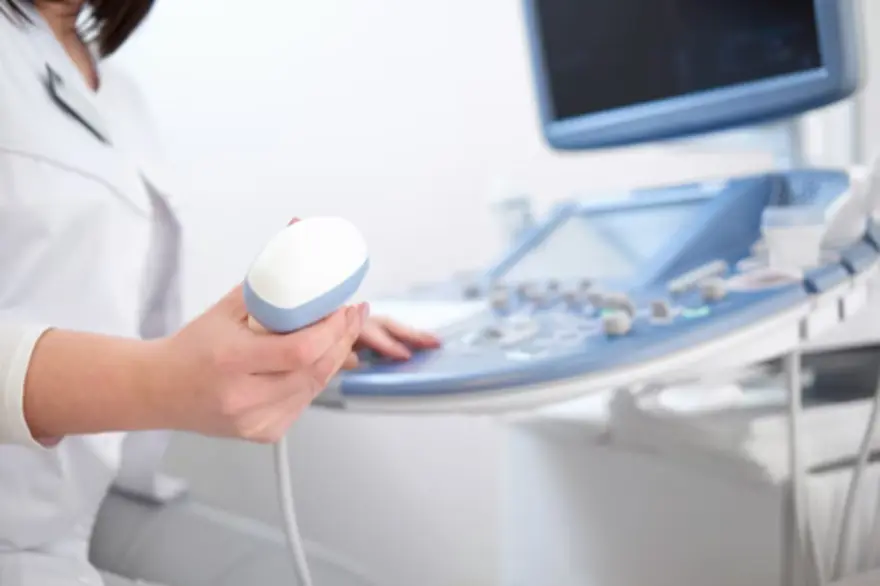
In modern preventive healthcare, an ultrasound scan plays a major role in detecting potential health issues before they develop into serious conditions.
At Koshikaa, we have witnessed firsthand how this non-invasive imaging technology is transforming the way people approach their health and wellness. From monitoring organ function to detecting early signs of disease, ultrasound technology offers a safe, painless window into the body’s inner workings.
But how exactly is this remarkable technology reshaping the landscape of preventive medicine?
Understanding Ultrasound Technology
Ultrasound imaging uses high-frequency sound waves to create real-time images of organs, tissues, and blood flow inside your body. Unlike X-rays or CT scans, ultrasound doesn’t use radiation, making it incredibly safe for repeated use.
The technology works by sending sound waves through your body, which bounce back when they hit different tissues. These echoes are then converted into images that appear on a monitor, giving doctors immediate visual information.
The Rise of Preventive Healthcare
Preventive healthcare focuses on identifying and addressing health risks before they become serious problems. This proactive approach saves lives, reduces healthcare costs, and improves quality of life significantly.
We’re seeing a shift from reactive medicine, treating illness after it occurs, to preventive strategies that keep people healthy. Ultrasound screenings play a vital role in this transformation by offering early detection opportunities.
Key Areas Where Ultrasound Prevents Health Issues
Cardiovascular health monitoring through echocardiograms helps detect heart problems before symptoms appear. These scans can identify valve issues, weak heart muscles, and abnormal heart rhythms that might lead to serious complications.
Abdominal ultrasounds screen for liver disease, kidney stones, gallbladder problems, and abdominal aneurysms. Early detection of these conditions allows for timely intervention and better treatment outcomes.
For women’s health, pelvic ultrasounds detect ovarian cysts, uterine fibroids, and other reproductive system issues early. Breast ultrasounds complement mammograms in detecting breast abnormalities, especially in younger women with dense breast tissue.
Thyroid ultrasounds identify nodules and abnormalities that could indicate thyroid disorders or cancer. Carotid artery ultrasounds assess stroke risk by detecting plaque buildup in neck arteries.
Advantages of Ultrasound in Preventive Care
The safety profile of ultrasound makes it ideal for preventive screening programs. Since there’s no radiation exposure, patients can undergo multiple scans without health risks, making it perfect for regular monitoring.
Real-time imaging means doctors can observe organ function as it happens, providing dynamic information that static images cannot capture. This is particularly valuable for assessing blood flow and heart function.
The affordability and accessibility of ultrasound technology make preventive care more inclusive. More people can access screening services without the financial burden associated with other imaging modalities.
Ultrasound in Pregnancy: The Ultimate Preventive Tool
Prenatal ultrasounds represent one of the most common and important preventive applications. These scans monitor fetal development, detect congenital abnormalities, and ensure both mother and baby remain healthy throughout pregnancy.
We perform multiple ultrasounds during pregnancy to track growth, check organ development, and identify any complications early. This proactive monitoring has dramatically reduced maternal and infant mortality rates.
Specialized Ultrasound Screenings Available
When you seek an ultrasound scan in Bangalore, you have access to various specialized screening options tailored to specific health concerns. Doppler ultrasound assesses blood flow through vessels, helping detect circulation problems and blood clots.
3D and 4D ultrasounds provide enhanced imaging for detailed anatomical assessment. Musculoskeletal ultrasound evaluates joint problems, tendon injuries, and muscle tears without invasive procedures.
Who Should Consider Preventive Ultrasound Screenings
| Age Group | Recommended Screenings |
| Women 25-40 | Pelvic ultrasound, breast ultrasound |
| Men 40+ | Abdominal aortic screening, prostate ultrasound |
| Adults 50+ | Carotid artery scan, thyroid screening |
| Athletes | Musculoskeletal ultrasound for injury detection |
The Ultrasound Screening Process
Preventive ultrasound screenings are quick, comfortable, and require minimal preparation. Most scans take between 15 to 45 minutes, depending on the area being examined.
You’ll lie on an examination table while the sonographer applies a clear gel to your skin. This gel helps the ultrasound transducer glide smoothly and improves sound wave transmission.
The sonographer moves the transducer over the area being examined while images appear on the screen. You can often watch the images in real-time, and the sonographer may explain what they’re seeing.
Tips for Maximizing Your Preventive Ultrasound
- Follow all preparation instructions provided by your healthcare facility. Some scans require fasting or a full bladder, while others need no special preparation.
- Schedule your screening during a time when you’re relaxed and not rushed. Stress can sometimes affect certain measurements, particularly in cardiovascular assessments.
- Bring previous medical records or imaging results if available. This helps the radiologist compare current findings with past images and identify any changes.
- Don’t hesitate to ask questions during or after your scan. Understanding what’s being examined and why helps you take an active role in your preventive healthcare journey.
Making Ultrasound Part of Your Health Routine
Integrating preventive ultrasound screenings into your regular health checkups is a smart investment in your long-term well-being. Based on your age, family history, and risk factors, your doctor can recommend appropriate screening intervals.
For those with chronic conditions or family histories of certain diseases, more frequent monitoring may be beneficial. We work with your healthcare provider to create a personalized screening schedule.
The Cost-Effectiveness of Prevention
While some people hesitate to invest in preventive screenings, the long-term savings are substantial. Detecting conditions early often means simpler, less expensive treatments and better health outcomes.
Consider that treating advanced disease costs significantly more than preventing it through early detection. Preventive ultrasounds offer exceptional value by identifying issues when they’re most treatable.
Technology Advancing Preventive Capabilities
Modern ultrasound machines feature artificial intelligence and enhanced imaging algorithms that improve diagnostic accuracy. These advances mean we can detect smaller abnormalities and assess conditions with greater precision.
Portable ultrasound devices are making preventive care more accessible in remote areas and at the point of care. This democratization of technology ensures more people benefit from early detection.
Final Thoughts
The role of preventive healthcare continues to grow as we recognize that staying healthy is always better than treating illness. An ultrasound scan in Bangalore offers you a powerful tool for taking control of your health through early detection and regular monitoring.
At Koshikaa, we are committed to making advanced preventive imaging accessible, affordable, and patient-friendly because we believe everyone deserves the opportunity to catch health issues before they become serious.
Your health journey begins with awareness, and preventive ultrasound screenings provide the clarity you need to make informed decisions.
Frequently Asked Questions
Q: How often should I get preventive ultrasound screenings?
The frequency depends on your age, health history, and risk factors. Generally, annual or biennial screenings are recommended for most adults over 40.
Q: Are ultrasound scans covered by insurance?
Many insurance plans cover preventive ultrasound screenings when medically necessary. Check with your insurance provider for specific coverage details.
Q: Can an ultrasound detect cancer?
Yes, ultrasound can detect certain cancers and suspicious masses that require further investigation, making it valuable for early cancer detection.
Q: Is there any age limit for ultrasound screenings?
No, ultrasound is safe for people of all ages, from infants to elderly patients, with no harmful side effects.
Q: What should I wear for my ultrasound appointment?
Wear comfortable, loose-fitting clothing. You may need to expose the area being examined, so two-piece outfits are often more convenient.